Children and the Sustainable Development Goals: How Kazakhstan Is Investing in the Future
01.06.2026
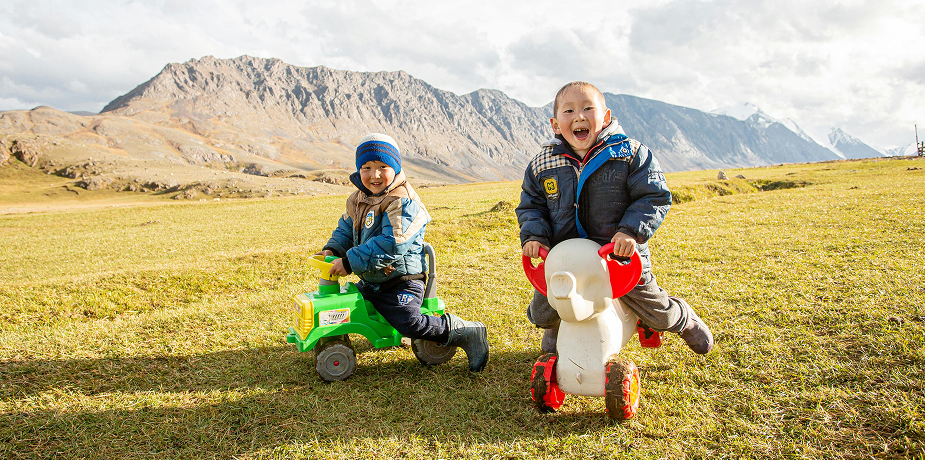 June 1 marks International Children's Day. This occasion is not only an opportunity to give gifts an.organize festive events. For many years, children's well-being has remained at the center of the United Nations Sustainable Development Goals (SDGs). After all, investing in children means investing in a country's future. Today, more than 6.8 million children live in Kazakhstan, accounting for approximately one-third of the population. According to experts, this generation will form the backbone of the country's labor force and economic growth between 2040 and 2050. In February 2022, the Child Well-Being Index was officially adopted. Since then, the Index has been monitored annually, and its results have served as the basis for preparing the State Report on the Situation of Children in Kazakhstan. Notably, the Index was developed by the Economic Research Institute in cooperation with UNICEF and the Committee for the Protection of Children's Rights of the Ministry of Education and Science of the Republic of Kazakhstan (at that time). The Index covers all key aspects of a child's life and consists of four dimensions: “Child,” “Family and Society,” “Public Policy,” and “National Well-Being.” This tool makes it possible to assess the overall well-being of children in Kazakhstan as well as progress in specific areas. It also helps monitor the effectiveness of national policies across regions and provides a clear picture of changes in children's quality of life, highlighting areas that require additional attention. One of the most important components of child well-being is access to quality education. In recent years, hundreds of new schools have been built across the country, while educational infrastructure continues to be modernized. Particular attention is paid to children with special educational needs. At the beginning of the 2025–2026 academic year, more than 237,000 children with special educational needs (SEN) were registered in Kazakhstan, including 70,000 preschool-aged children and 165,000 school-aged children. More than 213,700 children with SEN already receive specialized psychological and pedagogical support. In addition, over 96,000 children are studying in inclusive learning environments within mainstream schools. To support inclusive education, specialized resource rooms have been established in more than 1,000 secondary education institutions, with an additional 40 planned to open this year. Children's health and safety are also key indicators of sustainable development. According to a joint study by UNICEF and the Bureau of National Statistics, the prevalence of harsh child-rearing practices in Kazakhstan has declined from 52.7% to 37.9% over the past decade. This reflects the gradual strengthening of a culture that promotes and protects children's rights. Another important challenge for Kazakhstan is reducing disparities in opportunities between urban and rural areas. This is directly linked to the Sustainable Development Goal of reducing inequalities. In recent years, large-scale initiatives have been implemented to expand internet access, build new schools, and improve social infrastructure in rural communities. International experience demonstrates that investments in children generate substantial economic returns over the long term. For example, Singapore and South Korea have become among the world's most competitive economies by prioritizing education and child development. According to UNICEF estimates, increased investment in the human capital of children and young people could raise Kazakhstan's GDP per capita by an additional 14% by 2050. Therefore, International Children's Day is more than just a celebration. It is an opportunity to reflect on one of the most important pathways to achieving the Sustainable Development Goals: ensuring children's health, education, and a safe future. The greater the opportunities available to children today, the greater the opportunities Kazakhstan will have tomorrow.
Views: 332 |
|
||||||||||||||||||||||||||||||||||||||||||||||||||||||||||||||||||||||||||||||||||||||||||||||||||||||||||||||||||||||||||||||||


|