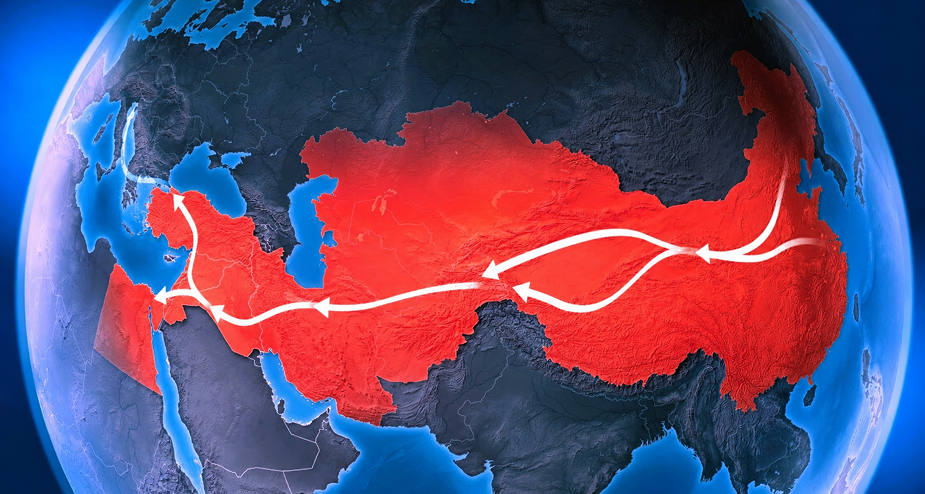
On 15–16 July 2026, a team from the Economic Research Institute (ERI) comprising Rustam Nasirkhan, Alibek Raipov, Gulmira Kashkinbekova, and Aliya Musina participated in an expert semina.organized by the Organisation for Economic Co-operation and Development (OECD). The event focused on the timely topic “Integrating Climate Resilience into Infrastructure Planning and Financing in Kazakhstan: The Case of the Trans-Caspian Transport Corridor.”
The seminar was held as part of the OECD’s broader initiative to promote green infrastructure in Central Asia, implemented with the support of the German Agency for International Cooperation (GIZ).
The key objective of the discussions was to identify practical approaches to balancing the development of transport infrastructure with the need to adapt to global climate challenges.
During the thematic session entitled “Assessing Measures for Climate-Resilient and Inclusive Transport Infrastructure: Adaptation Modelling and Integrated Cost–Benefit Analysis,” Rustam Nasirkhan, Director of the ERI Center for Climate Change, delivered a presentation outlining the Institute’s analytical approaches.
In his presentation, he explained methodologies for modelling climate adaptation measures and demonstrated how climate-related risks can be translated into measurable economic indicators. Based on scenario analysis, participants examined the economic implications of investing in adaptation, the costs of inaction, and the benefits of avoiding climate-related impacts across various sectors. The session also explored approaches to identifying the most effective resilience measures and discussed how analytical evidence can support infrastructure planning, investment prioritization, project preparation, and the mobilization of financing for climate adaptation initiatives.
The seminar concluded with a set of practical recommendations aimed at helping government agencies improve investment planning and attract financing for the development of a resilient, sustainable, and environmentally responsible transport system.